Professional Pier and Beam Foundation Repair Near Me in St. Louis
Pier and beam foundation repair near me is the most searched phrase by St. Louis homeowners dealing with sagging floors, uneven crawl spaces, and structural concerns that threaten their property's safety and value. Our locally owned foundation repair company delivers fast, reliable pier replacement, reinforcement, and beam jacking services across St. Louis, Webster Groves, Clayton, University City, and the surrounding metro area. Whether you need concrete pier installation, wooden pier repair, or full foundation underpinning, you get licensed contractors, structural engineer assessments, and transparent pricing — backed by decades of experience in Missouri's challenging clay soil conditions.
Sagging Pier and Beam Foundation: Causes & Warning Signs
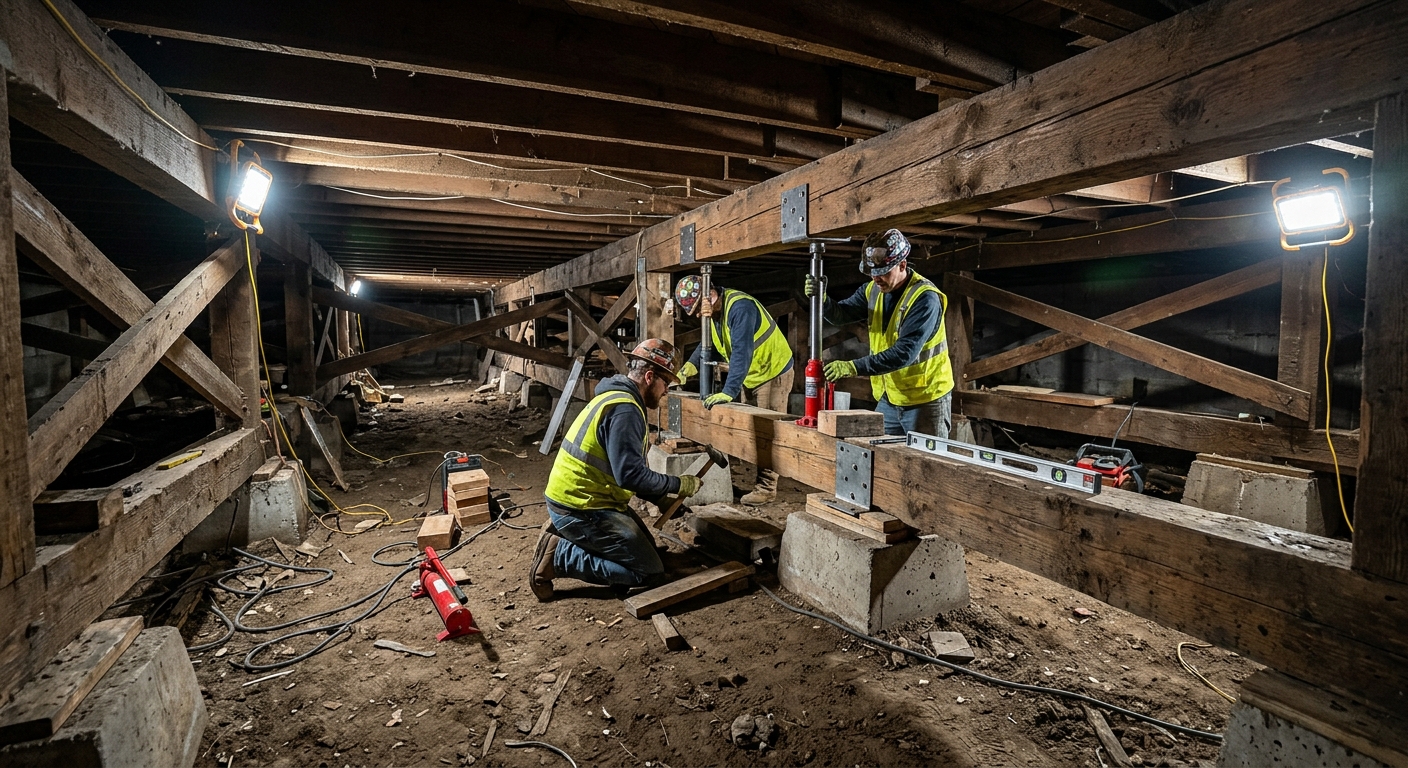
A sagging pier and beam foundation signals serious structural compromise that only worsens with time. Your home rests on a network of vertical piers and horizontal beams — when piers settle unevenly or beams deteriorate, you see bouncy floors, cracked drywall, and doors that won't close properly. Understanding the root causes helps you act before minor sagging escalates into catastrophic failure and five-figure repair bills.
How St. Louis Clay Soil Causes Pier Settlement
St. Louis sits on expansive clay soil that swells 4–6% when wet and shrinks dramatically during dry spells. This constant expansion and contraction creates uneven pressure beneath your foundation piers. Wood piers absorb moisture during humid summers, then crack as clay contracts in winter freeze-thaw cycles. Concrete piers resist moisture better, but clay soil movement still shifts their load-bearing capacity over time. Crawl space moisture accelerates this process — standing water saturates the soil beneath piers, reducing its density and triggering settlement that pulls beams downward.
Identifying Floor Sag: When to Call a Foundation Expert
You know you need pier and beam foundation repair when floors sag more than 1.5 inches over a 20-foot span — a clear sign of structural compromise rather than cosmetic settling. Walk through your home and watch for these warning signs:
- Bouncy or springy floors in central rooms where beams run longest spans
- Visible gaps between floors and baseboards, especially near exterior walls
- Doors and windows sticking or refusing to latch due to frame distortion
- Cracks radiating from door frames or appearing in drywall near load-bearing walls
- Sloping floors noticeable when rolling a ball or placing a marble on the surface
Seeing two or more of these symptoms? Schedule a structural engineer assessment immediately. Delaying repair allows secondary damage — plumbing stress fractures, HVAC duct separation, and cascading beam failure — to multiply your costs.
Early Detection Saves Thousands in Repair Costs
Homeowners who address pier settlement within the first six months of noticing symptoms spend $3,500–$6,000 on average for partial pier replacement and beam reinforcement. Wait two years? You face $10,000–$15,000 projects requiring full underpinning, crawl space encapsulation, and soil stabilization. Early detection protects your foundation and your wallet. If you notice sagging, call our St. Louis team for a free foundation assessment at (314) 555-0190 — we identify the exact piers causing problems and deliver a written estimate before you commit to any work.
Concrete Pier Foundation Repair Solutions
Concrete pier foundation repair delivers the most durable, long-lasting solution for St. Louis homes built on pier and beam systems. Properly installed concrete piers resist Missouri's moisture, freeze-thaw cycles, and clay soil movement for 75+ years — outlasting wood by decades and providing superior load-bearing capacity for heavier modern additions and renovations.
Why Concrete Piers Outlast Wood in Missouri's Climate
Wood piers rot in Missouri's humid climate within 20–30 years, even when treated. Crawl space moisture, termite activity, and seasonal temperature swings degrade wood fibers until piers can no longer support beam loads. Concrete piers eliminate these vulnerabilities — they don't absorb moisture, resist insect damage, and maintain structural integrity through decades of freeze-thaw cycles. For St. Louis homeowners planning to stay in their homes long-term, concrete pier replacement pays for itself by avoiding repeat repairs every generation.
Underpinning Process: Installation & Timeline
Our underpinning process starts with excavation beneath failed piers to reach stable soil — typically 3–6 feet below your crawl space floor in St. Louis clay. We pour concrete footings, install reinforced concrete piers, and hydraulically lift beams back to level. Each pier cures for 48 hours before bearing full load. Typical timelines:
- 3–5 pier replacements: 2–3 days including excavation and curing
- Full perimeter underpinning (8–12 piers): 4–6 days depending on access
- Combined pier replacement and beam jacking: 3–5 days for most homes
You stay in your home throughout the project — our work happens entirely in the crawl space with minimal interior disruption.
Concrete vs. Steel Piers: Which is Right for Your Home?
Concrete piers work best for moderate lifting (1–3 inches) and stable clay soil conditions common in St. Louis residential areas. Steel piers, driven 10–20 feet to bedrock, suit homes with severe settlement or unstable fill soil near rivers and floodplains. Cost difference: concrete piers run $400–$700 each installed; steel piers cost $800–$1,200 each due to driving equipment and deeper excavation. Our structural engineer assessment determines which foundation repair solution matches your soil conditions, settlement severity, and budget. Call (314) 555-0190 for a free evaluation.
Wooden Pier Repair: Sistering, Reinforcement & Replacement
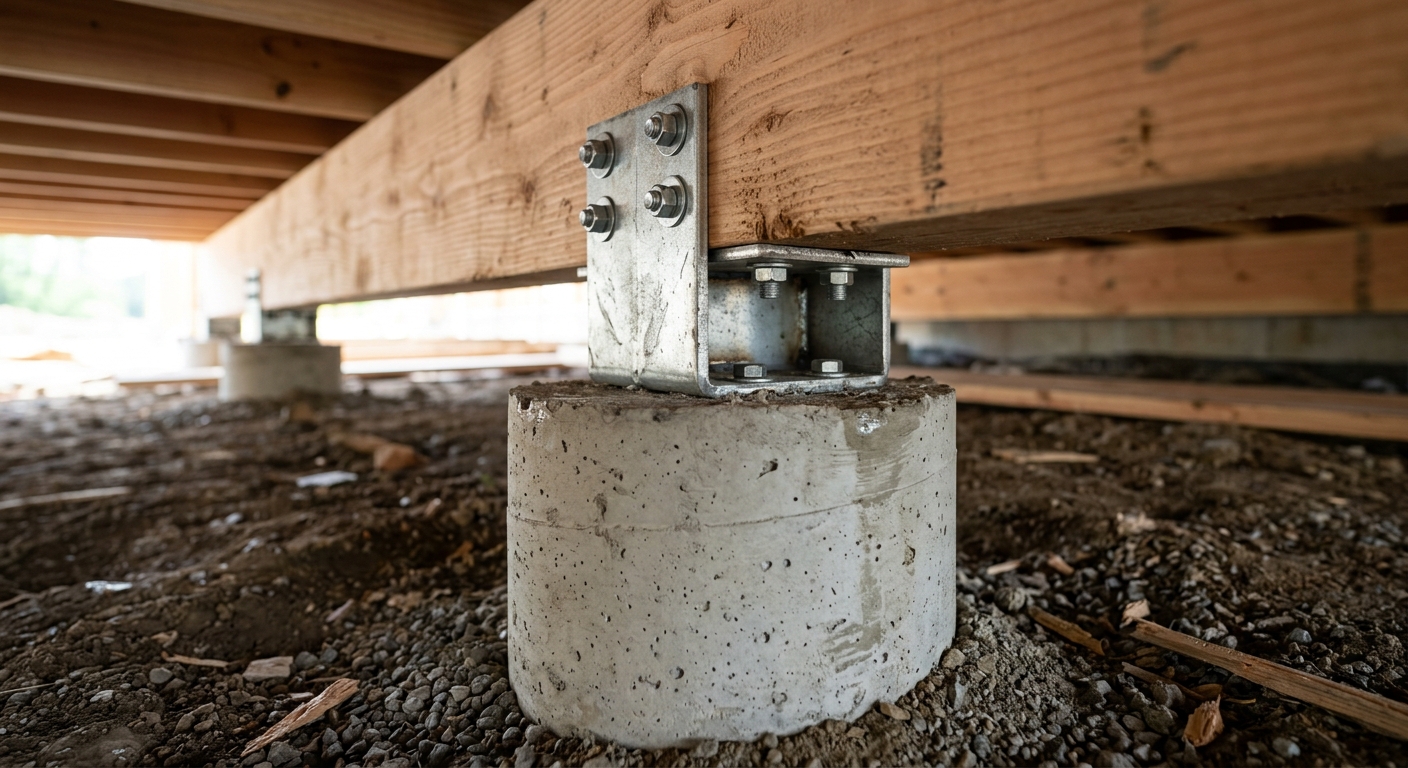
Wooden pier repair extends the life of existing wood foundation systems when deterioration hasn't progressed beyond repair. Sistering — attaching new treated lumber alongside damaged piers — works for piers showing minor rot or cracks. Full replacement becomes necessary when rot penetrates more than 30% of a pier's cross-section or when moisture damage compromises load-bearing capacity.
When Sistering or Reinforcing Wood Piers Works
Sistering saves money when piers show surface damage but retain structural integrity. We bolt new pressure-treated 6×6 posts to existing piers, doubling load-bearing capacity without excavation. This approach works when:
- Rot affects only the outer 1–2 inches of wood, not the core
- Piers haven't shifted from their original positions
- Sill plate connections remain solid without termite damage
- Crawl space moisture is controlled (below 55% relative humidity)
Sistering costs $150–$300 per pier versus $400–$700 for full concrete pier replacement — a smart choice for budget-conscious homeowners with early-stage deterioration.
Moisture Treatment to Prevent Future Rot
Wood pier repair fails unless you address crawl space moisture at the source. We combine pier work with moisture treatment: installing vapor barriers, improving drainage, and sealing crawl space vents to maintain 50–55% humidity year-round. Untreated crawl spaces average 70–80% humidity in St. Louis summers — a recipe for recurring rot within five years. Our moisture control systems include perimeter drainage, sump pump installation where needed, and crawl space encapsulation to protect your foundation investment for decades.
Full Wood Pier Replacement: Process & Permits
Full wood pier replacement requires St. Louis building permits for structural work exceeding $1,000 — unlicensed repairs void your homeowner's insurance coverage if foundation failure causes future damage. Our licensed, insured, and bonded team handles all permit applications, inspections, and code compliance. We excavate failed piers, install new pressure-treated posts on concrete footings, and connect them to existing beams using galvanized steel brackets. Typical project timeline: 2–4 days for 4–6 pier replacements including inspections. Permits add $150–$300 to project costs but protect your home value and insurance claims eligibility.
Pier Replacement Foundation: Full Underpinning Services
Pier replacement foundation work becomes necessary when multiple piers fail simultaneously or when converting aging wood systems to modern concrete for long-term stability. Full underpinning involves systematic replacement of every pier supporting your home's perimeter and interior beams — a comprehensive solution that eliminates ongoing repair cycles and adds decades to your foundation's lifespan.
St. Louis Building Permits for Foundation Work
St. Louis City and St. Louis County require building permits for all structural foundation work exceeding $1,000 in materials and labor. Permit applications include engineered drawings showing existing conditions, proposed pier locations, and load calculations verified by a structural engineer assessment. Inspections occur at three stages: excavation, footing pour, and final installation. Permit costs range $200–$500 depending on project scope. Never hire contractors who skip permits — unpermitted work fails inspections during home sales, triggers stop-work orders, and voids insurance coverage for foundation-related damage claims.
Excavation & Access Requirements for Your Crawl Space
Underpinning requires clear crawl space access for excavation equipment, concrete delivery, and hydraulic lift systems. Typical access requirements:
- Minimum 18-inch clearance between ground and floor joists for workers and tools
- 36-inch foundation access door for equipment entry (we cut new doors if needed)
- Removal of crawl space debris, old insulation, and stored items before work begins
- Temporary HVAC duct relocation where ducts block pier access points
- Utility line marking (gas, water, electrical) to prevent excavation damage
Homes with limited crawl space clearance may require additional excavation — adding 1–2 days to timelines and $500–$1,500 to project costs depending on soil conditions and disposal fees.
Material Selection: Durability & Long-Term Performance
Material selection drives your pier replacement foundation's longevity and total cost. Pressure-treated wood piers cost $200–$400 installed but last only 20–30 years in Missouri's climate. Concrete piers run $400–$700 each but deliver 75+ years of maintenance-free performance. Steel piers cost $800–$1,200 each but suit severe settlement requiring bedrock anchoring. Our structural engineer evaluates your soil conditions, settlement history, and budget to recommend the optimal material balance — often a hybrid approach using concrete for perimeter piers and steel for heavily loaded interior spans.
Pier and Beam Reinforcement: Strengthening Existing Foundations
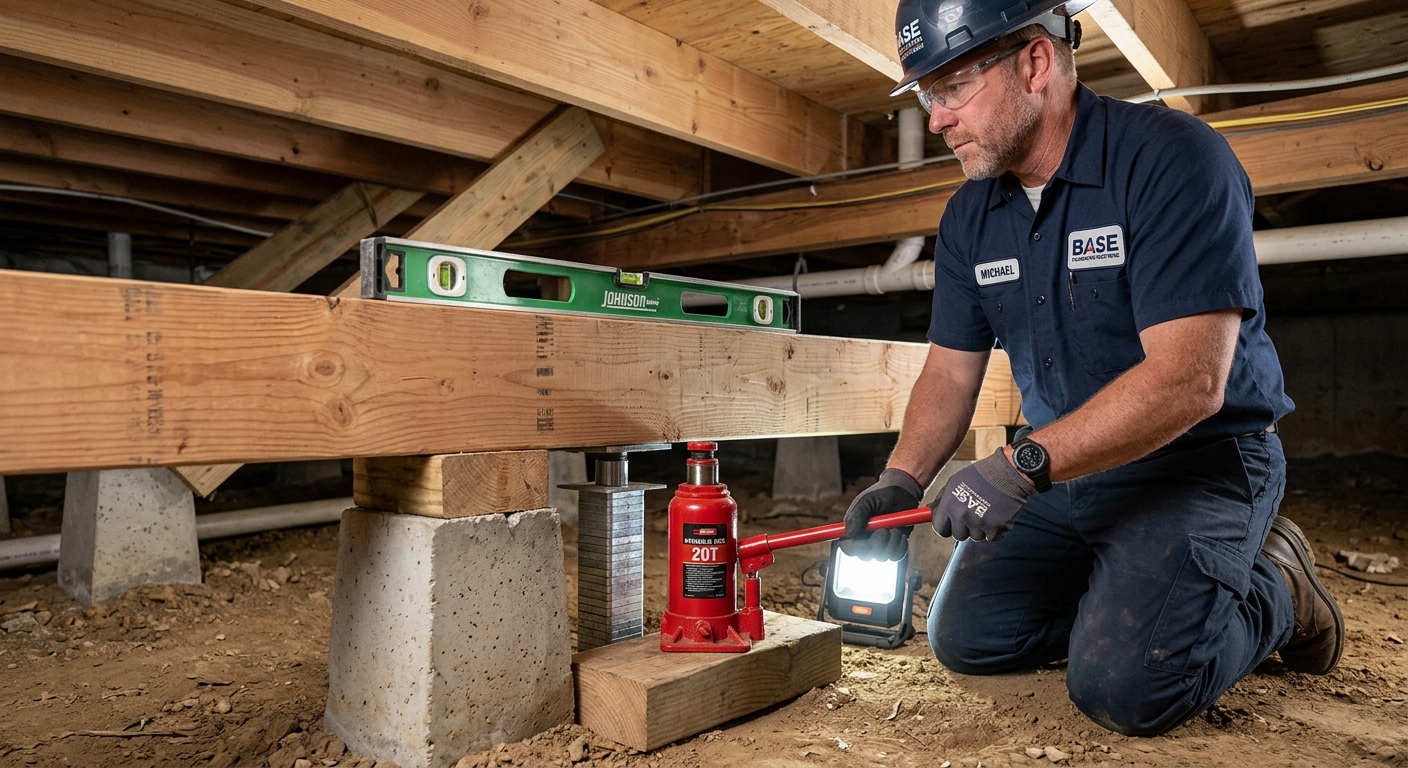
Pier and beam reinforcement strengthens existing foundation systems without full replacement when settlement is minor and structural damage hasn't progressed beyond repair. Reinforcement combines shimming, sistering, and steel bracket installation to restore load-bearing capacity and prevent future sagging — typically costing 40–60% less than complete pier replacement for homes caught early.
Shimming & Load-Bearing Capacity Assessment
Shimming lifts settled beams back to level using steel or composite shims inserted between piers and beams. We assess load-bearing capacity using hydraulic pressure tests — measuring how much weight each pier supports before deflection occurs. Piers handling 90%+ of original capacity qualify for shimming; those below 75% need replacement. Shimming costs $75–$150 per pier and works when beams haven't cracked and piers remain plumb. Combined with moisture control, shimming adds 10–15 years to foundation life before more extensive repairs become necessary.
Steel Bracket Systems for Beam Support
Steel bracket systems reinforce beam-to-pier connections where rotted sill plates or damaged beams compromise structural integrity. We install galvanized steel brackets bolted through beams into pier tops, creating a rigid connection that resists lateral movement during soil expansion cycles. Bracket reinforcement works when:
- Beams show surface cracks but core fibers remain intact
- Sill plate deterioration allows beams to shift on pier tops
- Foundation has settled less than 1 inch from original level
- Homeowners want to delay full replacement 5–10 years while budgeting for eventual underpinning
Bracket installation costs $200–$400 per connection point — a cost-effective bridge solution for early-stage foundation issues in St. Louis homes.
When Reinforcement Alone Solves Your Foundation Problem
Reinforcement alone solves foundation problems when you catch settlement within the first 6–12 months of symptoms appearing. Floors sagging less than 0.75 inches, no visible pier rot, and stable crawl space moisture levels indicate reinforcement success. You avoid excavation, concrete work, and lengthy timelines — most reinforcement projects complete in 1–2 days. However, reinforcement is a temporary fix if underlying soil instability or moisture issues persist. Our free foundation assessment includes crawl space moisture testing, soil compaction evaluation, and 5-year projections showing whether reinforcement or replacement offers better long-term value. Call (314) 555-0190 to schedule your inspection.
Foundation Beam Jacking: Hydraulic Lifting for Sagging Beams
Foundation beam jacking uses hydraulic lift systems to raise sagging beams back to their original level, closing floor gaps and restoring structural alignment before permanent pier repairs begin. Jacking is never a standalone solution — it's always combined with pier replacement, reinforcement, or underpinning to maintain lift after hydraulic pressure releases.
How Hydraulic Jacking Systems Work
Hydraulic jacking systems place high-capacity jacks beneath sagging beams at 6–8 foot intervals along the span. We lift beams in 1/8-inch increments over several hours, monitoring for stress fractures and allowing the structure to adjust gradually. Rapid lifting cracks drywall, separates trim, and damages plumbing — controlled hydraulic lifting prevents these issues. Once beams reach level, we install permanent piers or shims to lock in the lift. The hydraulic lift system remains in place 24–48 hours while concrete piers cure, ensuring beams don't settle during installation.
Typical Lift Range & Expected Results
Typical foundation beam jacking achieves 1–3 inch lifts for St. Louis homes with moderate settlement. Lifts exceeding 3 inches risk structural damage — cracked floor joists, separated plumbing connections, and drywall fractures that cost more to repair than the foundation work itself. Expected results after jacking:
- Floors return to within 0.5 inches of original level across main living areas
- Doors and windows regain proper alignment for smooth operation
- Cosmetic cracks may remain but stop propagating once foundation stabilizes
- Plumbing slopes restore proper drainage without standing water in pipes
Complete cosmetic restoration — replastering cracks, releveling tile — happens after foundation work completes and the structure settles for 30–60 days.
Combining Jacking with Pier Repair for Maximum Stability
Combining jacking with pier repair delivers maximum stability by addressing both symptoms (sagging beams) and root causes (failed piers). We jack beams to level, then install new concrete or steel piers while the structure is lifted. This two-step approach prevents re-settlement and distributes loads evenly across all support points. Homes receiving jacking without pier replacement settle again within 6–18 months as soil continues compacting beneath temporary jacks. Our combined approach costs 15–20% more upfront but eliminates repeat service calls and the expense of re-lifting the same beams multiple times. For lasting results in St. Louis clay soil, always pair beam jacking with permanent pier solutions.
Beam Foundation Repair Cost: Pricing Breakdown for St. Louis
Frequently Asked Questions
What is the Upside to Having Pro Pier & Beam Repair Services?
Professional pier and beam repair services in St. Louis provide structural expertise that prevents costly mistakes and ensures long-term stability. Licensed contractors have specialized equipment for foundation beam jacking and accurate leveling that homeowners cannot replicate. They identify underlying moisture and soil issues causing the damage, not just surface symptoms. Professional repairs typically come with warranties protecting your investment, and proper documentation helps maintain your home's resale value. Most importantly, expert repairs prevent progressive structural damage that could cost tens of thousands more if left to worsen over time.
How much does pier and beam foundation repair cost in St. Louis?
Pier and beam foundation repair costs in St. Louis typically range from $1,500 to $8,000 depending on the extent of damage and number of piers requiring attention. Simple wooden pier replacement might cost $150 to $300 per pier, while concrete pier foundation repair runs $300 to $500 per pier. Comprehensive foundation beam jacking and reinforcement for sagging floors can reach $5,000 to $12,000 for severe cases. Most St. Louis foundation repair contractors offer free inspections and detailed estimates before starting work, allowing you to understand exactly what repairs your home needs.
What causes a sagging pier and beam foundation in St. Louis homes?
Sagging pier and beam foundations in St. Louis result from Missouri's clay soil expansion and contraction cycles, which shift support piers over time. Moisture accumulation in crawl spaces causes wooden piers to rot and deteriorate, losing their load-bearing capacity. Poor drainage around the foundation perimeter saturates soil and undermines pier stability. Inadequate original construction with insufficiently spaced piers creates weak points where floors sag. Plumbing leaks beneath homes accelerate wood decay and soil erosion around pier bases. Regular inspections catch these issues early before they require extensive beam foundation repair.
How long does pier and beam foundation repair take to complete?
Most pier and beam foundation repair projects in St. Louis take two to five days depending on the number of piers needing replacement and accessibility beneath the home. Simple wooden pier repair involving three to six piers can often be completed in one to two days. Extensive concrete pier foundation repair with foundation beam jacking and crawl space access improvements may require four to seven days. Weather conditions and soil moisture levels can affect the timeline, as contractors need proper working conditions for safe excavation and pier installation. Your contractor will provide a specific timeline after inspecting your foundation.
Should I choose wooden or concrete piers for foundation repair?
Concrete piers offer superior longevity and resistance to Missouri's moisture conditions compared to traditional wooden piers, making them the preferred choice for permanent foundation repair. Concrete does not rot, resists insect damage, and maintains structural integrity for 50-plus years in St. Louis soil conditions. Wooden pier repair costs less initially but may require replacement within 15 to 25 years depending on crawl space moisture levels. For homes with ongoing moisture issues, concrete pier foundation repair provides better long-term value despite higher upfront costs. Most foundation repair professionals in the area now recommend concrete for all pier replacement projects.
Do you provide pier and beam foundation repair throughout the St. Louis metro area?
Yes, foundation repair St. Louis MO serves the entire St. Louis metropolitan area including St. Louis City, St. Louis County, St. Charles County, and surrounding communities in both Missouri and Illinois. Our service area covers Clayton, Webster Groves, Kirkwood, Florissant, Chesterfield, Ballwin, O'Fallon, and other nearby suburbs. We understand the specific soil conditions and foundation challenges unique to different neighborhoods throughout the region. Whether you need pier replacement foundation work in historic city homes or modern suburban properties, our team has experience with the pier and beam construction common throughout greater St. Louis.
What are signs I need pier and beam reinforcement for my foundation?
Common signs requiring pier and beam reinforcement include sloping or bouncy floors, especially near the center of rooms away from exterior walls. Visible gaps between floors and baseboards indicate foundation settlement beneath those areas. Doors and windows that stick or no longer close properly suggest the frame has shifted due to foundation movement. Cracks in interior walls, particularly at door frames or where walls meet ceilings, signal structural stress from inadequate pier support. If you notice these symptoms in your St. Louis home, schedule a professional foundation inspection to determine if pier replacement foundation work is necessary before damage worsens.
Are pier and beam foundation repairs covered by homeowners insurance in Missouri?
Standard homeowners insurance policies in Missouri typically do not cover pier and beam foundation repair resulting from normal settling, soil movement, or gradual deterioration over time. However, coverage may apply if foundation damage results from a sudden covered event like a burst pipe flooding your crawl space or storm-related water damage. Review your specific policy or contact your insurance agent to understand your coverage before assuming repairs will be covered. Most St. Louis homeowners pay for foundation beam jacking and pier replacement out of pocket, though some contractors offer financing options to make necessary repairs more affordable.
Frequently Asked Questions
What is the Upside to Having Pro Pier & Beam Repair Services?
Professional pier and beam repair services in St. Louis provide structural expertise that prevents costly mistakes and ensures long-term stability. Licensed contractors have specialized equipment for foundation beam jacking and accurate leveling that homeowners cannot replicate. They identify underlying moisture and soil issues causing the damage, not just surface symptoms. Professional repairs typically come with warranties protecting your investment, and proper documentation helps maintain your home's resale value. Most importantly, expert repairs prevent progressive structural damage that could cost tens of thousands more if left to worsen over time.
How much does pier and beam foundation repair cost in St. Louis?
Pier and beam foundation repair costs in St. Louis typically range from $1,500 to $8,000 depending on the extent of damage and number of piers requiring attention. Simple wooden pier replacement might cost $150 to $300 per pier, while concrete pier foundation repair runs $300 to $500 per pier. Comprehensive foundation beam jacking and reinforcement for sagging floors can reach $5,000 to $12,000 for severe cases. Most St. Louis foundation repair contractors offer free inspections and detailed estimates before starting work, allowing you to understand exactly what repairs your home needs.
What causes a sagging pier and beam foundation in St. Louis homes?
Sagging pier and beam foundations in St. Louis result from Missouri's clay soil expansion and contraction cycles, which shift support piers over time. Moisture accumulation in crawl spaces causes wooden piers to rot and deteriorate, losing their load-bearing capacity. Poor drainage around the foundation perimeter saturates soil and undermines pier stability. Inadequate original construction with insufficiently spaced piers creates weak points where floors sag. Plumbing leaks beneath homes accelerate wood decay and soil erosion around pier bases. Regular inspections catch these issues early before they require extensive beam foundation repair.
How long does pier and beam foundation repair take to complete?
Most pier and beam foundation repair projects in St. Louis take two to five days depending on the number of piers needing replacement and accessibility beneath the home. Simple wooden pier repair involving three to six piers can often be completed in one to two days. Extensive concrete pier foundation repair with foundation beam jacking and crawl space access improvements may require four to seven days. Weather conditions and soil moisture levels can affect the timeline, as contractors need proper working conditions for safe excavation and pier installation. Your contractor will provide a specific timeline after inspecting your foundation.
Should I choose wooden or concrete piers for foundation repair?
Concrete piers offer superior longevity and resistance to Missouri's moisture conditions compared to traditional wooden piers, making them the preferred choice for permanent foundation repair. Concrete does not rot, resists insect damage, and maintains structural integrity for 50-plus years in St. Louis soil conditions. Wooden pier repair costs less initially but may require replacement within 15 to 25 years depending on crawl space moisture levels. For homes with ongoing moisture issues, concrete pier foundation repair provides better long-term value despite higher upfront costs. Most foundation repair professionals in the area now recommend concrete for all pier replacement projects.
Do you provide pier and beam foundation repair throughout the St. Louis metro area?
Yes, foundation repair St. Louis MO serves the entire St. Louis metropolitan area including St. Louis City, St. Louis County, St. Charles County, and surrounding communities in both Missouri and Illinois. Our service area covers Clayton, Webster Groves, Kirkwood, Florissant, Chesterfield, Ballwin, O'Fallon, and other nearby suburbs. We understand the specific soil conditions and foundation challenges unique to different neighborhoods throughout the region. Whether you need pier replacement foundation work in historic city homes or modern suburban properties, our team has experience with the pier and beam construction common throughout greater St. Louis.
What are signs I need pier and beam reinforcement for my foundation?
Common signs requiring pier and beam reinforcement include sloping or bouncy floors, especially near the center of rooms away from exterior walls. Visible gaps between floors and baseboards indicate foundation settlement beneath those areas. Doors and windows that stick or no longer close properly suggest the frame has shifted due to foundation movement. Cracks in interior walls, particularly at door frames or where walls meet ceilings, signal structural stress from inadequate pier support. If you notice these symptoms in your St. Louis home, schedule a professional foundation inspection to determine if pier replacement foundation work is necessary before damage worsens.
Are pier and beam foundation repairs covered by homeowners insurance in Missouri?
Standard homeowners insurance policies in Missouri typically do not cover pier and beam foundation repair resulting from normal settling, soil movement, or gradual deterioration over time. However, coverage may apply if foundation damage results from a sudden covered event like a burst pipe flooding your crawl space or storm-related water damage. Review your specific policy or contact your insurance agent to understand your coverage before assuming repairs will be covered. Most St. Louis homeowners pay for foundation beam jacking and pier replacement out of pocket, though some contractors offer financing options to make necessary repairs more affordable.