Best foundation crack repair in St. Louis requires understanding Missouri's unique clay soil conditions and selecting methods proven to handle seasonal movement, freeze-thaw cycles, and basement water intrusion. When you discover a crack in your foundation wall or basement floor, the repair method you choose determines whether you fix the problem once or chase recurring failures every few years. St. Louis homeowners face specific challenges that demand flexible, durable solutions matched to crack type, width, and structural severity—making method selection as critical as hiring the right contractor.
Foundation Crack Repair Methods That Work in St. Louis Soil
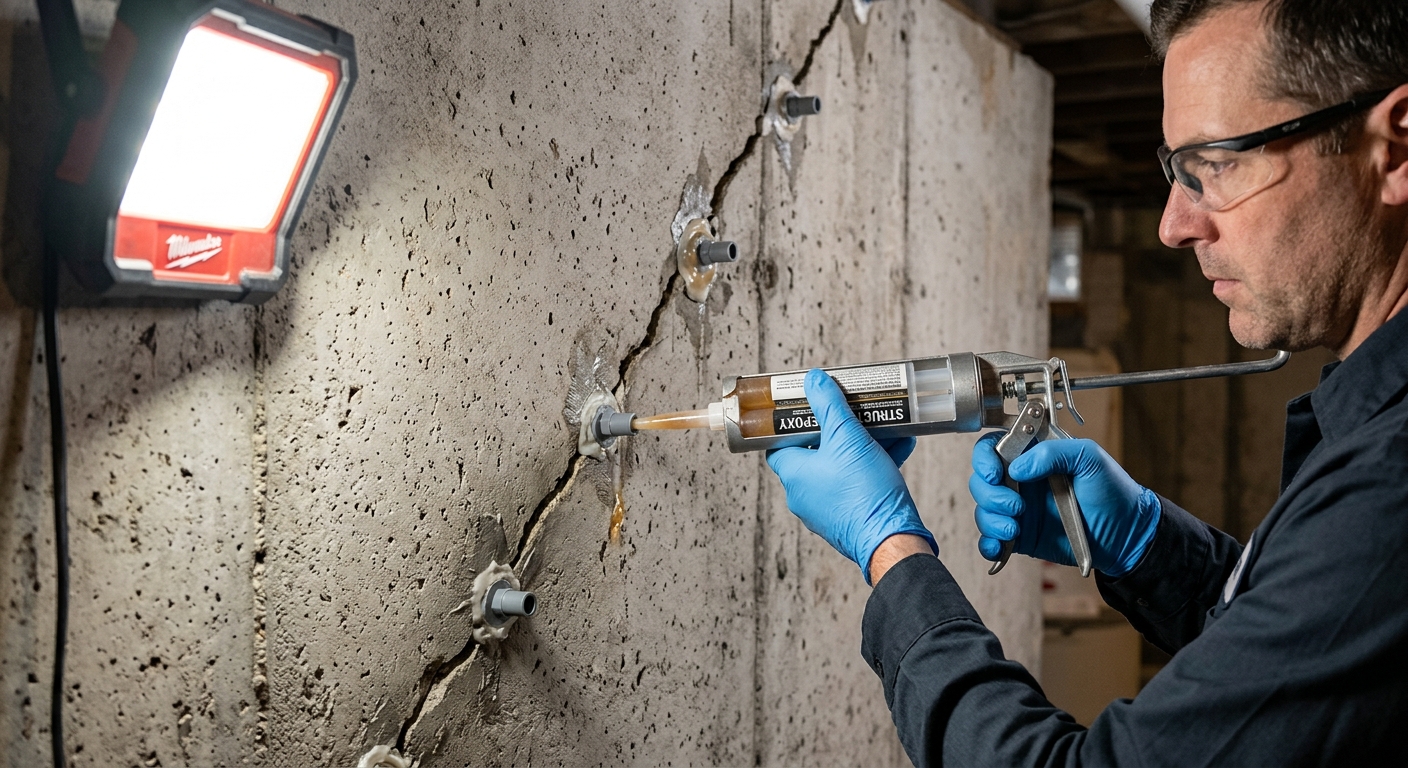
Foundation crack repair methods St. Louis professionals rely on must account for local soil behavior, climate extremes, and moisture patterns that generic repair approaches ignore. The repair technique that works in Arizona's dry, stable soil may fail within months in Missouri's high-plasticity clay, and understanding these differences protects your investment and your home's structural integrity. Three primary factors determine which repair method will last in your specific situation: the crack's cause, its current activity level, and whether water actively leaks through it.
How St. Louis Clay Soil Affects Your Foundation Crack Repair Choice
St. Louis sits on expansive clay soil that swells up to 10% during wet seasons and shrinks during dry periods, creating constant lateral pressure against foundation walls. This seasonal movement makes rigid repair materials like standard concrete patching or inflexible epoxies prone to re-cracking as the soil expands and contracts throughout the year. Your foundation experiences this push-pull cycle dozens of times annually, and any crack repair solution must flex with that movement rather than resist it. Professional contractors in the region know that polyurethane injection and routing-and-sealing methods with flexible backing materials outperform rigid options specifically because they accommodate this soil-driven movement.
Freeze-Thaw Cycles and Seasonal Foundation Movement in Missouri
Missouri experiences 20-30 freeze-thaw cycles each winter, and each cycle forces water into foundation cracks, freezes it into ice that expands with tremendous force, then thaws and allows the crack to close slightly. This repetitive widening action makes cracks that start at hairline thickness grow to ¼ inch or wider within a single winter season. If you notice a crack in October that seems minor, waiting until spring to repair it often means the crack will have doubled in width and depth by March, turning a simple surface seal into a job requiring full-depth injection. Timing your foundation crack repair before winter protects you from this accelerated damage progression.
Comparing Epoxy, Polyurethane, Hydraulic Cement, and Surface Sealers
Four primary materials dominate the foundation repair industry, each suited to different crack characteristics:
- Epoxy injection: Restores full structural strength, bonds concrete together permanently, ideal for dormant cracks in dry conditions, but inflexible and unsuitable for active movement or wet cracks
- Polyurethane injection: Expands 600% to fill voids completely, remains flexible to accommodate soil movement, reacts with water for active leak repair, best choice for St. Louis clay soil conditions
- Hydraulic cement: Fast-setting patching compound for large surface voids and corners, stops active water flow temporarily, but lacks structural bonding and cracks out under movement
- Surface sealers: Routing and caulking for hairline non-structural cracks, cosmetic repair only, prevents minor moisture intrusion but offers no structural reinforcement
Concrete Crack Repair Injection: Epoxy vs Polyurethane
Concrete crack repair injection transforms a cracked foundation wall into a monolithic structure by pumping repair material under pressure through ports drilled along the crack's length, filling it completely from back to front. This method addresses the full depth of the crack rather than just surface cosmetics, making it the gold standard for basement wall cracks, foundation slab cracks, and any structural damage requiring permanent repair. The injection process uses specialized equipment and requires technical expertise to determine injection pressure, port spacing, and material selection—factors that separate professional-grade repairs from DIY attempts.
How Injection Repair Works: Epoxy for Structural Strength
Epoxy injection creates a chemical bond stronger than the surrounding concrete, effectively welding cracked sections back together with tensile strength exceeding 3,000 psi. Contractors drill injection ports every 8-12 inches along the crack, seal the surface with epoxy paste, then inject low-viscosity epoxy resin at pressures reaching 40-60 psi until it flows out of adjacent ports. The epoxy penetrates every micro-fissure and cures into a rigid, permanent repair that restores the wall's original load-bearing capacity. This method excels for dormant structural cracks in dry basement walls where no ongoing movement or water intrusion exists, making it the preferred choice for repairing cracks caused by one-time settlement events or curing shrinkage in concrete.
Polyurethane Injection for Flexibility and Waterproofing
Polyurethane foam injection solves the unique challenges St. Louis foundations face: active water leaks, ongoing soil movement, and the need for flexible repairs that accommodate seasonal expansion and contraction. Unlike epoxy, polyurethane reacts with moisture to expand up to 20 times its liquid volume, filling the entire crack cavity including voids behind the wall where water travels. The cured foam remains permanently flexible with 600% elongation capacity, allowing it to stretch and compress as clay soil pushes and releases without breaking the seal. For active leaks, hydrophilic polyurethane continues to expand when it contacts water, creating a gasket effect that seals even if the crack widens slightly in the future—critical performance for St. Louis basements where 80% of water intrusion enters through foundation cracks.
When to Choose Injection Over Other Foundation Crack Repair Methods
Injection repair becomes necessary when crack depth exceeds surface patching capabilities or when structural integrity and permanent waterproofing matter more than initial cost savings:
- Cracks wider than 1/16 inch: Surface sealers lack the material volume to fill deep cracks completely
- Through-wall cracks: Any crack penetrating the full foundation thickness requires back-to-front filling that only injection achieves
- Active water leaks: Polyurethane injection stops flowing water that hydraulic cement and surface sealers cannot seal under hydrostatic pressure
- Structural damage: Horizontal cracks, step cracks in block walls, and settlement cracks compromise foundation strength and require epoxy's structural bonding
- Resale preparation: Home inspections flag improperly repaired foundation cracks; injection repairs with transferable warranties satisfy buyers and appraisers
5 Foundation Crack Filling Methods Compared
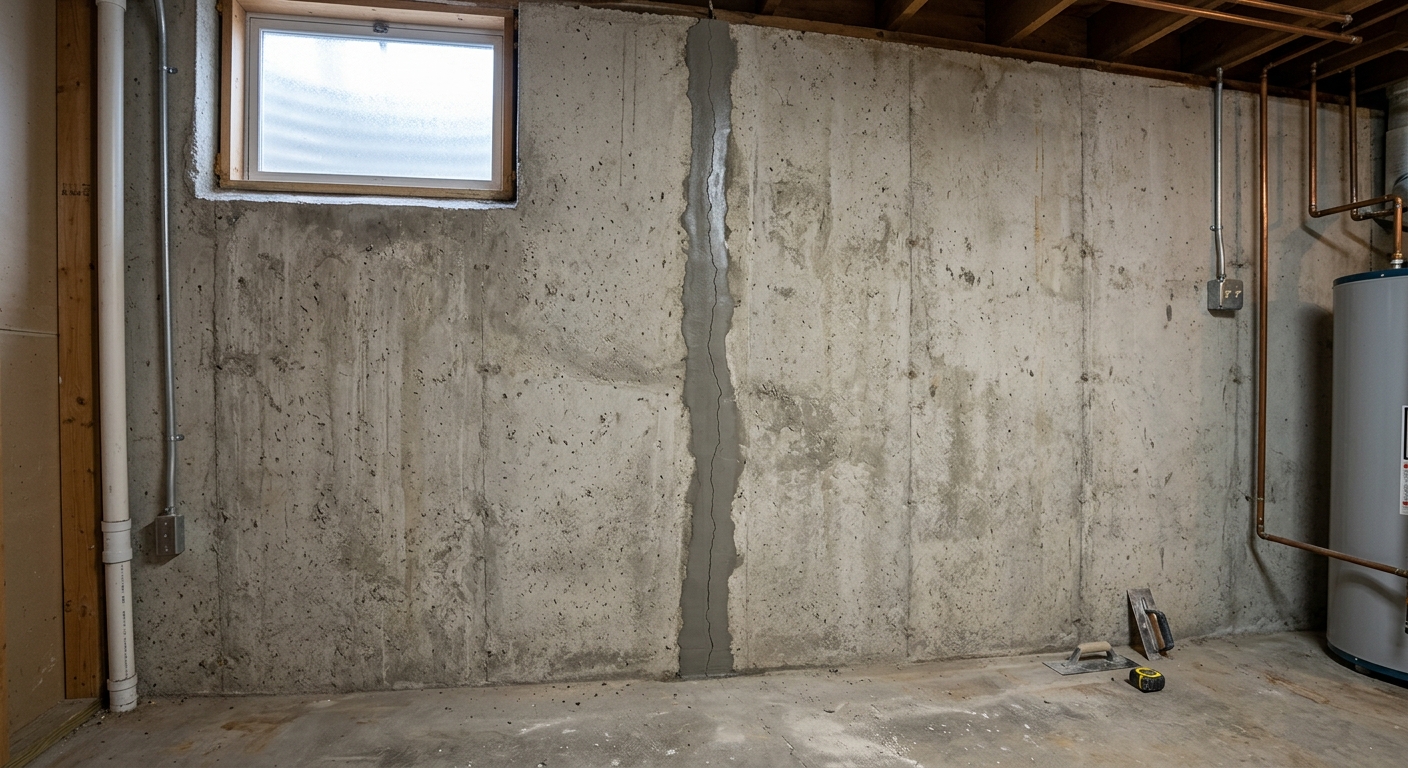
Foundation crack filling methods range from simple cosmetic repairs you can complete in an afternoon to comprehensive structural restoration requiring professional equipment and expertise. Understanding the five standard approaches—their appropriate applications, durability expectations, and cost differences—helps you match your crack problem to the right solution and avoid wasting money on inadequate repairs. Each method occupies a specific niche in the repair spectrum, and using the wrong technique for your crack type guarantees either overspending on unnecessary structural work or experiencing rapid repair failure.
Surface Patching and Routing & Sealing for Hairline Cracks
Surface patching applies hydraulic cement, epoxy paste, or flexible polyurethane caulk to the crack's exterior surface without addressing the crack's depth or underlying cause. This approach works for hairline cracks (less than 1/16 inch wide) that appear in basement floors or non-structural wall locations where waterproofing and structural bonding are not critical concerns. Routing and sealing improves surface patching by cutting a V-groove along the crack with a masonry saw or grinder, then filling the enlarged channel with flexible polyurethane or polysulfide sealant backed by foam backer rod—creating a flexible joint that accommodates minor movement. These methods cost $2-5 per linear foot for DIY applications or $8-15 per foot professionally, making them the most economical repairs for cosmetic cracks that don't threaten foundation integrity or allow water intrusion.
Stitching, Injection, and Exterior Excavation Explained
Stitching (also called stapling) reinforces long horizontal or diagonal cracks by grinding perpendicular slots across the crack at 12-inch intervals, embedding carbon fiber or metal staples with epoxy, then grinding the surface flush. This mechanical reinforcement prevents crack growth and adds tensile strength without full-depth filling, costing $15-30 per linear foot. Injection fills the crack completely through pressurized port delivery of epoxy or polyurethane, providing structural bonding or waterproofing depending on material choice, at $50-150 per linear foot. Exterior excavation approaches the crack from outside by digging to the foundation footer, applying waterproof membrane over the crack, and installing drainage systems—the most comprehensive but expensive option at $150-300 per linear foot, typically reserved for severe structural damage or when interior access is impossible.
Pros and Cons: Which Foundation Crack Filling Method Lasts Longest
Longevity comparisons reveal dramatic differences in repair durability:
- Surface patching: 1-3 year lifespan for hairline cracks in low-stress areas; immediate failure for structural cracks or active leaks; lowest upfront cost but highest re-repair frequency
- Routing and sealing: 5-10 years for non-structural cracks in dry conditions; excellent for control joints and isolation cracks; fails under hydrostatic pressure or continuous movement
- Stitching: 15-25 years for long horizontal cracks when combined with injection; prevents crack propagation effectively; requires skilled installation for proper staple embedment
- Injection (polyurethane): 20-30+ years for wet cracks and active soil movement; flexibility prevents re-cracking; best choice for St. Louis climate conditions
- Injection (epoxy): Permanent structural repair for dormant cracks; matches or exceeds concrete lifespan when properly installed; fails if applied to moving or wet cracks
- Exterior excavation: 30-50+ years when combined with proper drainage; addresses root causes; cost-prohibitive unless foundation requires other exterior work
Structural Crack Repair: When Foundation Damage Requires Professional Help
Structural crack repair foundation work separates homeowner-manageable cosmetic issues from serious damage that threatens your home's stability and requires licensed contractor assessment. Structural cracks indicate foundation movement, excessive soil pressure, or deteriorating concrete strength—problems that worsen over time and potentially cost tens of thousands of dollars if ignored. Knowing how to identify structural versus non-structural cracks helps you prioritize repairs appropriately and avoid the false economy of patching serious damage with surface-level solutions that fail within months.
How to Identify Structural vs Cosmetic Foundation Cracks
Structural cracks compromise the foundation's load-bearing capacity and require engineering assessment or professional repair, while cosmetic cracks affect appearance only and pose no safety concerns. Structural indicators include cracks wider than ¼ inch, horizontal cracks in poured concrete walls, stair-step patterns in block walls, cracks accompanied by wall bulging or bowing, cracks that widen at one end, and any crack showing active movement when monitored with crack gauges over 4-6 weeks. Cosmetic cracks typically measure less than 1/16 inch wide, run vertically, appear within the first year after construction as concrete cures and shrinks, show no signs of ongoing widening, and occur in non-load-bearing locations like garage floors or basement floor slabs away from walls.
Horizontal, Vertical, and Step Cracks: What Width Means Danger
Crack orientation and width provide critical diagnostic information about foundation stress patterns and repair urgency:
- Vertical cracks: Usually caused by concrete shrinkage during curing or minor settlement; cracks under ¼ inch wide are generally non-structural; monitor for growth but rarely emergency repairs
- Horizontal cracks: Indicate serious lateral soil pressure pushing the wall inward; any horizontal crack warrants immediate professional inspection regardless of width; often precedes wall failure
- Diagonal/step cracks: Signal differential settlement where one foundation section sinks relative to another; cracks following mortar joints in block walls (step pattern) show concentrated stress; widths exceeding ⅛ inch suggest active settlement
- Width thresholds: Hairline to 1/16 inch (cosmetic monitoring), 1/16 to ¼ inch (professional assessment recommended), over ¼ inch (structural concern requiring immediate repair), over ½ inch (structural emergency)
Warning Signs That Your Foundation Crack Needs Immediate Repair
Certain symptoms demand urgent professional attention before foundation damage escalates from repairable to catastrophic:
- Active water intrusion: Water flowing through cracks during rain or snowmelt indicates hydrostatic pressure that worsens the crack and threatens basement flooding
- Progressive widening: Cracks that grow measurably over weeks or months show ongoing foundation movement that will not self-correct
- Door and window operation problems: Sticking doors, gaps around frames, or windows that won't open/close suggest foundation shifting that cracks reflect
- Floor sloping or separation: Gaps between floors and walls, or floors developing noticeable slopes, indicate foundation settlement causing structural cracks
- Multiple cracks appearing simultaneously: Several new cracks forming at once suggest acute foundation stress from soil movement, plumbing leaks, or structural overload
Polyurethane Crack Sealant Cost in St. Louis
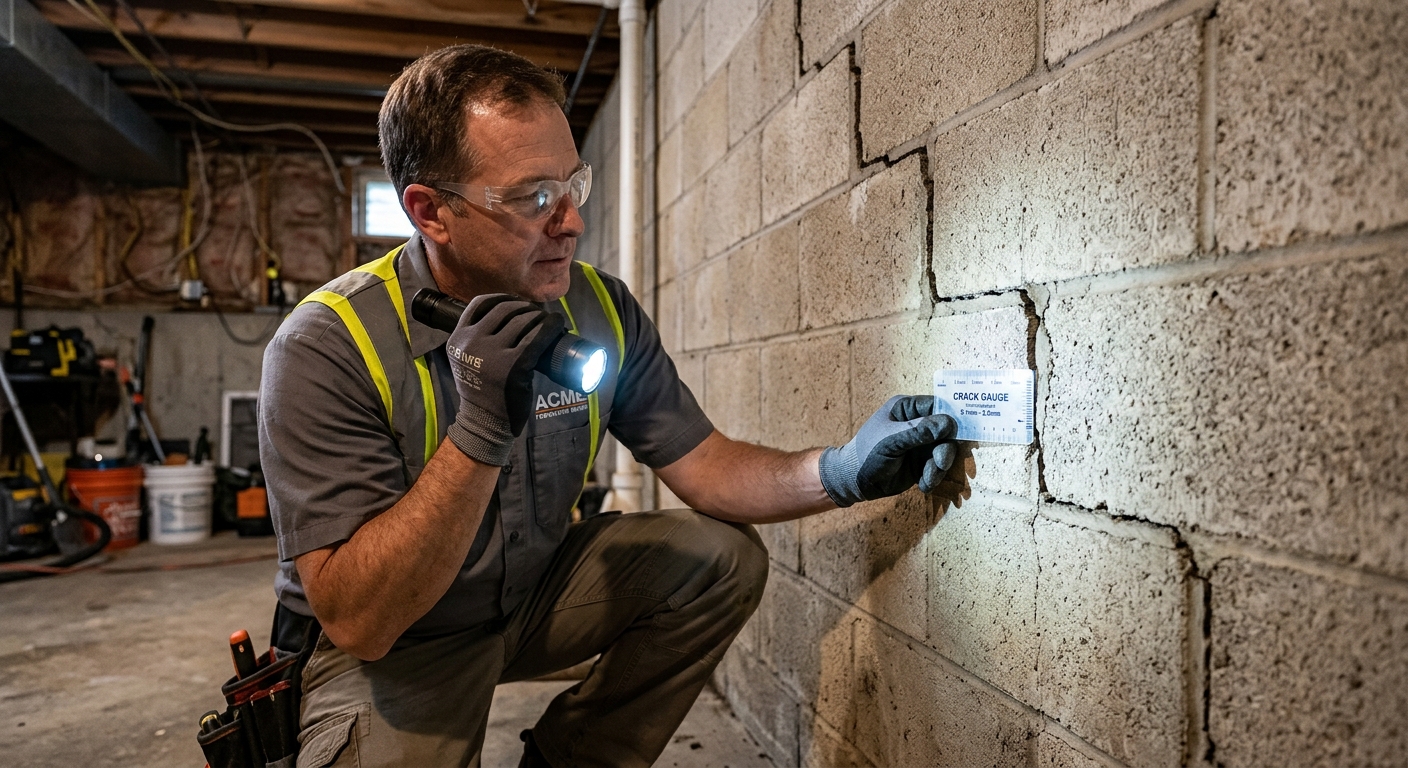
Polyurethane crack sealant cost in St. Louis ranges from $400-800 per crack for professional injection repair of typical 8-foot basement wall cracks, with pricing variables including crack length, width, accessibility, and whether active water leaks require hydrophilic formulations. Understanding what drives these costs—and comparing them honestly against DIY kit expenses and long-term failure rates—helps you evaluate repair quotes and avoid the false economy of cheap fixes that fail. The best foundation crack repair investment isn't always the lowest upfront price, especially when you factor warranty value, resale impact, and the cumulative cost of repeated DIY attempts.
Professional Polyurethane Injection Pricing and What Affects Cost
St. Louis foundation repair contractors typically charge $50-100 per linear foot for polyurethane injection, with minimum service charges of $400-600 that make single-crack repairs cost-effective only when cracks exceed 6-8 feet in length. Cost factors include:
- Crack length: Longer cracks require more material and labor time; prices drop per-foot beyond the first 10 feet as setup costs spread across more work
- Crack width: Cracks wider than ½ inch consume significantly more polyurethane material, sometimes requiring multiple passes to achieve complete fill
- Material type: Standard polyurethane costs less than hydrophilic formulations; high-expansion foams for void filling behind walls add $15-25 per linear foot
- Accessibility: Interior basement cracks cost less than exterior foundation repairs requiring excavation; finished basement walls requiring drywall removal add $200-400 for patching
- Number of cracks: Multiple cracks in one service call reduce per-crack costs by 20-40% as mobilization costs are shared
DIY Polyurethane Sealant Kits: True Cost vs Long-Term Failure Rates
DIY foundation crack repair kits cost $40-150 depending on crack length and product quality, appearing to offer massive savings over professional service—but failure rates tell a different story. True DIY costs include:
- Kit materials: $40-80 for basic 10-foot crack kits with low-pressure manual injection; $100-150 for higher-quality systems with better polyurethane formulations
- Tool purchases: Crack cleaning tools, surface prep materials, safety equipment ($30-60 if not already owned)
- Injection equipment: Professional-grade dual-component injection guns cost $800-2,000; rental options rarely available for residential use
- Time investment: 4-8 hours for first-time DIYers including surface prep, port installation, injection, and cleanup
Comparing ROI: Professional Repair vs Repeated DIY Attempts
Ten-year total cost comparison for an
Frequently Asked Questions
How much does foundation crack repair cost in St. Louis?
Foundation crack repair costs in St. Louis typically range from $300 to $1,500 per crack depending on severity, length, and repair method used. Minor hairline cracks may cost $300-$600 for epoxy or polyurethane injection, while structural cracks requiring excavation can reach $1,500-$3,000. Our team provides free inspections and detailed quotes so you understand exactly what your specific foundation issue requires before any work begins.
What is the best foundation crack repair method?
The best foundation crack repair method depends on whether the crack is structural or non-structural. Polyurethane injection works best for active leaking cracks because it expands and remains flexible with foundation movement. Epoxy injection is ideal for structural cracks that need maximum strength and rigidity. For exterior repairs, hydraulic cement and membrane systems provide waterproofing. Our St. Louis foundation specialists assess each crack individually to recommend the most effective long-term solution for your home.
How does polyurethane crack injection work?
Polyurethane crack injection involves drilling entry points along the crack, then injecting expanding polyurethane foam that fills the entire crack depth and width. The foam reacts with moisture to expand up to 20 times its original volume, creating a watertight seal that moves with your foundation. This method works exceptionally well for basement walls in St. Louis where seasonal soil movement and heavy rains cause foundation shifting. The repair typically cures within 24 hours and carries a transferable warranty.
Are you licensed and insured for foundation work in Missouri?
Yes, we are fully licensed and insured to perform foundation repair throughout Missouri including St. Louis and surrounding counties. Our technicians hold proper certifications for structural repair and waterproofing, and we carry comprehensive general liability and workers compensation insurance. Every foundation crack repair project includes documentation, warranties, and adherence to local building codes. We provide proof of insurance upon request and stand behind our work with written guarantees that protect your investment.
What is the difference between structural and non-structural foundation cracks?
Structural foundation cracks compromise your home's stability and typically appear wider than one-quarter inch, run horizontally or in stair-step patterns, or cause wall displacement. Non-structural cracks are usually hairline vertical cracks from concrete curing or minor settlement that do not threaten stability but may leak water. Structural cracks in St. Louis often result from expansive clay soil pressure and require epoxy injection or carbon fiber reinforcement. Non-structural cracks need polyurethane injection mainly for waterproofing rather than strength restoration.
Do you serve the entire St. Louis metropolitan area?
Yes, we serve all of St. Louis County, St. Charles County, Jefferson County, and the greater metropolitan area including Clayton, Kirkwood, Chesterfield, O'Fallon, Florissant, and surrounding communities. Our foundation repair specialists are familiar with the unique soil conditions and weather patterns affecting Missouri homes, from expansive clay soils to freeze-thaw cycles. We offer free on-site inspections throughout the region and can typically schedule your foundation crack assessment within 48 hours of your call.
How long does foundation crack repair last?
Professional foundation crack repair using quality polyurethane or epoxy injection typically lasts 25 to 30 years or longer when properly installed. The durability depends on the repair method, product quality, and ongoing foundation conditions. Polyurethane injection remains flexible and accommodates minor foundation movement, while epoxy creates a permanent rigid bond stronger than surrounding concrete. Most St. Louis foundation repair companies including ours offer transferable lifetime warranties on crack injection work, giving you confidence the repair will outlast your homeownership.
Can foundation cracks be repaired from the inside only?
Yes, most foundation cracks can be effectively repaired from inside your basement using injection methods, eliminating expensive excavation. Interior polyurethane or epoxy injection reaches through the entire wall thickness to seal cracks completely. This approach works for both poured concrete and block foundations common in St. Louis homes. Exterior excavation is only necessary for severely damaged foundations, extensive horizontal cracking, or when exterior waterproofing membranes are needed. Interior repair saves significant cost while delivering permanent results in most cases.
Book your free foundation inspection
Tell us what you are seeing and where the home is. The inspection is free, there is no obligation, and you get a written estimate showing the repair method, the number of piers or anchors and the total before anything is scheduled.