Basement foundation repair is the permanent solution to cracks, bowing walls, and water intrusion threatening your St. Louis home. Our expert team understands the unique challenges that expansive clay soil and historic construction present to basement foundations across the region. From Soulard to Tower Grove and throughout the greater St. Louis area, we deliver structural repairs backed by transferable lifetime warranties, transparent pricing, and same-day emergency response. If you've noticed horizontal cracks, uneven floors, or moisture in your basement, you need professional foundation repair before minor damage becomes catastrophic failure.
Common Basement Foundation Problems in St. Louis
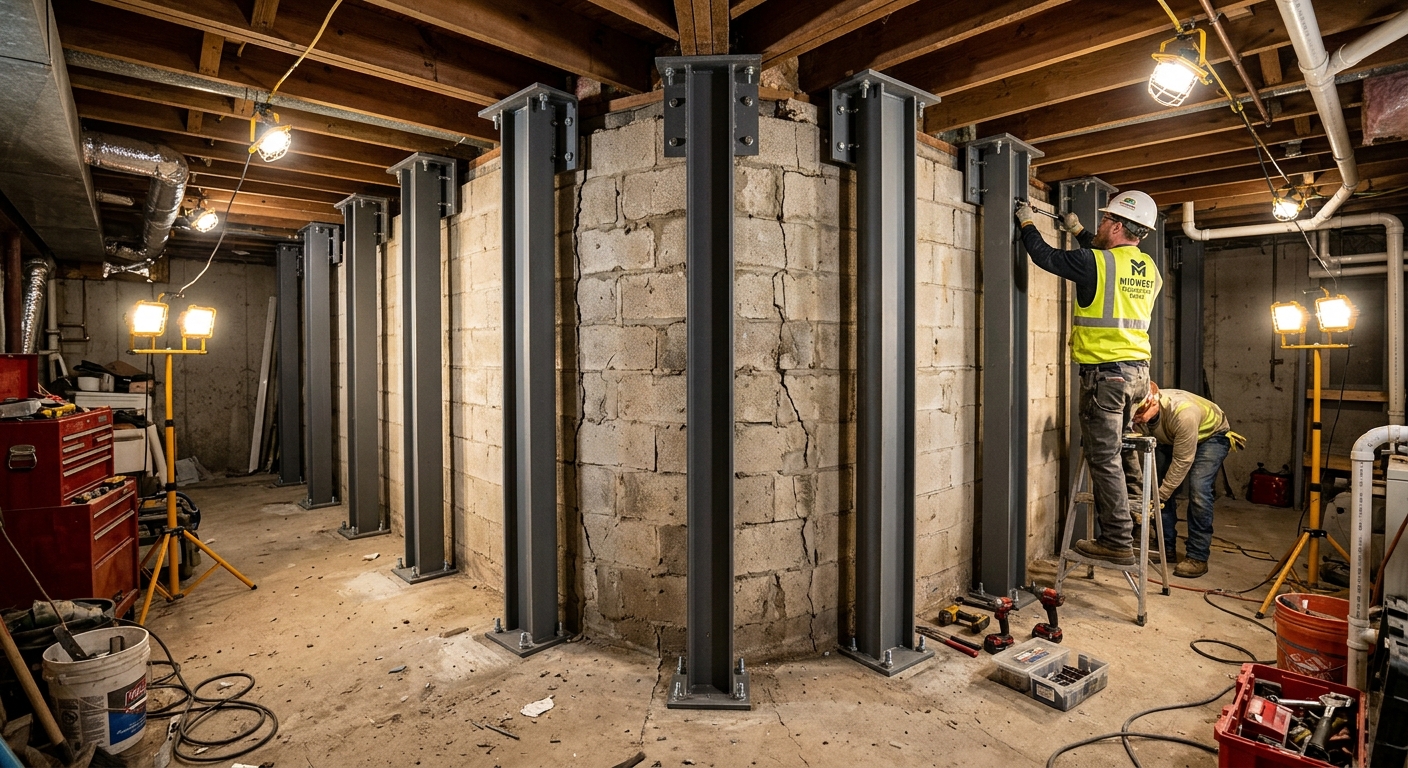
Foundation basement repair needs arise from the specific soil and climate conditions that make St. Louis one of the most challenging environments for residential basements. The region's expansive clay soil swells dramatically when wet and shrinks during dry periods, creating constant pressure cycles that destabilize even well-built foundations. Historic homes in neighborhoods like the Central West End and Lafayette Square face additional challenges from aging masonry and original construction methods that weren't designed for modern waterproofing standards. Understanding the warning signs of foundation damage helps you act before repair costs escalate 15-30% annually.
Horizontal Cracks and Lateral Pressure Damage
Horizontal cracks in your basement walls signal a structural emergency requiring immediate foundation repair. Unlike hairline vertical cracks from minor settling, horizontal fractures indicate dangerous lateral soil pressure pushing inward on your foundation walls. This pressure intensifies during St. Louis's wet spring seasons when clay soil absorbs moisture and expands against basement walls with thousands of pounds of force. You'll often see these cracks running parallel to the floor, typically 4-8 feet above the basement floor where soil pressure concentrates most heavily. Left untreated, horizontal cracks widen progressively, allowing water intrusion and eventually causing wall collapse. Our team responds to horizontal crack emergencies across St. Louis with wall anchor systems and carbon fiber reinforcement that permanently counteract lateral pressure.
- Horizontal cracks wider than 1/4 inch require immediate professional evaluation
- Cracks accompanied by inward wall bowing indicate advanced structural failure
- Stair-step cracking in block foundations follows the same lateral pressure pattern
- Wet seasons dramatically accelerate crack widening in clay soil regions
Bowing Basement Walls and Settlement Issues
Bowing basement walls represent the progression of untreated lateral pressure and foundation settlement. When soil pressure overwhelms your basement walls, they begin curving inward—sometimes visibly, sometimes measurable only with precision instruments. Walls bowing less than 2 inches can often be stabilized with carbon fiber reinforcement, while severe bowing requires steel I-beam installation or complete wall replacement. Settlement issues occur when soil beneath your foundation compresses unevenly, causing one section of your basement to sink lower than others. You'll notice this as sloping floors, doors that won't close properly, and separation between walls and ceiling. St. Louis's combination of clay soil and the proximity to the Mississippi and Missouri floodplains creates ideal conditions for differential settlement. Our foundation repair methods address both the symptoms you see and the soil instability causing them.
- Measure bowing by stretching string along wall—gaps over 2 inches require structural intervention
- Settlement often appears as diagonal cracks radiating from window and door corners
- Historic brick foundations in 100+ year old St. Louis homes show settlement through mortar deterioration
- Underpinning with helical piers permanently stabilizes settled foundation sections
- Annual inspections catch progressive bowing before it becomes a safety hazard
Water Intrusion and Moisture in Foundation Basements
Water intrusion through foundation cracks creates immediate damage and signals deeper structural problems requiring basement foundation repair. When you see water seeping through cracks after heavy rain, it means your foundation has lost its waterproof integrity and soil pressure is forcing groundwater into your basement. Moisture problems manifest as efflorescence (white mineral deposits), musty odors, mold growth, and damaged finished basement materials. St. Louis receives 40+ inches of annual rainfall, and clay soil's poor drainage characteristics mean water sits against foundation walls for extended periods. Many homeowners mistake water intrusion for a simple waterproofing issue when it actually indicates foundation cracks or failing drainage systems that need structural repair. Our comprehensive approach addresses both the foundation damage allowing water entry and the exterior drainage problems directing water toward your basement.
- Active water seepage during rain indicates structural cracks requiring foundation repair first, waterproofing second
- Efflorescence appears when water passes through concrete, carrying dissolved minerals to the surface
- Finished basements with recurring moisture damage often have undiagnosed foundation cracks behind walls
- French drain installation and exterior waterproofing complement foundation repair for permanent moisture control
If you're seeing any of these warning signs in your St. Louis basement, call (314) 798-9554 today for a free foundation inspection before damage progresses further.
Basement Foundation Repair Methods We Use
Foundation repair basement solutions vary based on the type and severity of damage your home has sustained. Our team uses industry-leading methods proven effective in St. Louis's challenging soil conditions, from minimally invasive carbon fiber systems for early-stage damage to comprehensive underpinning for severe settlement. Every repair begins with a detailed foundation inspection using laser levels and crack measurement tools to diagnose the root cause—not just the visible symptoms. We explain exactly which repair method your basement needs, why it's the right solution, and provide transparent pricing before any work begins. Unlike contractors who push one-size-fits-all approaches, we match the repair method to your specific foundation problem and your home's construction type.
Underpinning and Helical Pier Installation
Underpinning with helical piers provides permanent foundation stabilization for basements experiencing settlement or insufficient load-bearing capacity. This foundation repair basement method drives steel piers deep into stable soil or bedrock beneath your home, transferring the structure's weight past the unstable clay layers causing settlement. Helical piers feature spiral blades that anchor into load-bearing strata, then hydraulic lifts raise settled sections back to level. The typical St. Louis basement repair requires 6-10 piers installed from either the interior or exterior, depending on access and landscaping concerns. Interior installation minimizes yard disruption and works year-round regardless of weather. Each pier supports 15,000-25,000 pounds and comes with a transferable lifetime warranty—a critical selling point if you plan to sell your home. Underpinning costs average $1,200-$1,800 per pier, making a complete job investment $7,200-$18,000 depending on severity.
- Helical piers reach depths of 15-30 feet to bypass St. Louis's expansive clay soil
- Installation typically completes in 1-2 days with minimal disruption to your basement
- Push piers offer an alternative for tighter spaces where helical installation is limited
- Underpinning addresses both current settlement and prevents future foundation movement
- Engineered foundation solutions include load calculations specific to your home's structure
Wall Anchors and Carbon Fiber Reinforcement
Wall anchors permanently stabilize bowing basement walls by counteracting lateral soil pressure with tension anchored in stable soil beyond your foundation. Our team installs galvanized steel anchors 10-15 feet into your yard, then connects them to wall plates inside your basement with high-strength steel rods. Tightening these rods pulls your wall back toward plumb and prevents further inward movement. Wall anchors work exceptionally well in St. Louis clay soil where excavation isn't practical and provide the added benefit of gradual straightening—we return annually to tighten the system and continue pulling your wall straighter. Carbon fiber reinforcement offers a less invasive alternative for walls bowing under 2 inches, using epoxy-bonded straps 10 times stronger than steel to lock walls in place without excavation. Carbon fiber installation completes in one day with no yard disturbance and costs 40-60% less than wall anchors, though it stabilizes rather than straightens.
- Wall anchors allow progressive straightening of severely bowed walls over 3-5 years
- Carbon fiber straps create an invisible repair maintaining finished basement aesthetics
- Steel I-beams provide maximum support for walls bowing over 4 inches
- All wall stabilization methods include lifetime transferable warranties
- Installation methods are selected based on wall material (poured concrete vs. block), bowing severity, and access
Drainage Correction and Waterproofing Solutions
Drainage correction addresses the root cause of water-related foundation damage by directing groundwater away from your basement before it creates hydrostatic pressure. Our basement foundation repair approach combines exterior drainage systems like French drains and proper grading with interior solutions including sump pump installation and drainage tile. St. Louis's clay soil composition makes proper drainage critical—water that can't percolate naturally sits against foundation walls, creating constant pressure that widens cracks and forces water intrusion. We evaluate downspout discharge, soil grading around your foundation, and the condition of existing drainage systems during every inspection. Many foundation repairs fail within years because contractors sealed cracks without fixing the water problem pushing against walls. Our comprehensive waterproofing includes crack injection with flexible polyurethane, vapor barriers, and drainage membranes that work together for permanent moisture control.
- Exterior French drains intercept groundwater before it reaches foundation walls
- Interior drainage tile and sump systems manage water that enters despite exterior protection
- Proper grading creates a 6-inch drop over 10 feet to direct surface water away from basements
- Crack injection seals existing foundation cracks after drainage corrections eliminate water pressure
- Waterproofing membrane application protects foundation walls from moisture penetration
Need expert guidance on which repair method your basement requires? Call (314) 798-9554 for a free inspection and detailed recommendation specific to your foundation damage.
Why St. Louis Homeowners Trust Us for Basement Foundation Repair
How long does basement foundation repair take?
Most basement foundation repairs in St. Louis take two to five days from start to finish. Helical pier underpinning installs in one to two days for a typical 6 to 10 pier job, wall anchor systems install in a single day, and carbon fiber reinforcement finishes in one day for a standard basement wall. Crews work from outside the home wherever access allows, so the basement stays usable through most of the work. Weather affects exterior excavation, particularly during Missouri winters.
Can I stay in my home during basement foundation repair?
Yes. Basement foundation repair is performed with the home occupied in almost every case. Pier installation works from small excavations outside the foundation wall, and interior work is limited to the basement itself. St. Louis Foundation Repair Pros schedules noisy operations inside normal working hours and leaves access to utilities, laundry and mechanical equipment open throughout.
What causes basement foundation problems in St. Louis?
Expansive clay soil causes most basement foundation damage across the St. Louis metro. The clay shrinks up to 15 percent in dry summers and swells again through wet springs, which pushes against basement walls in one season and withdraws support in the next. Freeze-thaw cycles compound the movement, with water trapped in soil pores exerting force above 25,000 pounds per square foot when it freezes. Poor drainage and downspouts discharging beside the foundation accelerate both effects.
Is a bowing basement wall an emergency?
Yes. A basement wall bowing more than 2 inches from plumb has lost significant structural capacity and risks sudden collapse. Horizontal cracking across a poured concrete or block wall signals soil pressure beyond the wall's design capacity and needs assessment immediately. Deflection under 2 inches with no active movement is normally corrected with carbon fiber straps at $200 to $350 per linear foot. Beyond that, wall anchors at $400 to $600 each become the appropriate repair.
Will basement foundation repair stop water coming in?
No. Foundation repair corrects structural movement; basement waterproofing addresses water entry, and the two are separate scopes. Many St. Louis basements need both, because foundation cracks admit water while poor drainage builds the hydrostatic pressure that damaged the foundation in the first place. St. Louis Foundation Repair Pros assesses both during the free inspection and prices them separately so the structural work and the drainage work are clear on the estimate.
Does basement foundation repair come with a warranty?
Yes. Every helical pier, wall anchor system and carbon fiber installation carries warranty coverage against failure for as long as you own the home, and the coverage transfers to the buyer if you sell. A transferable structural warranty is what mortgage lenders, home inspectors and title companies ask for during a St. Louis sale, so the documentation matters well beyond the repair itself.
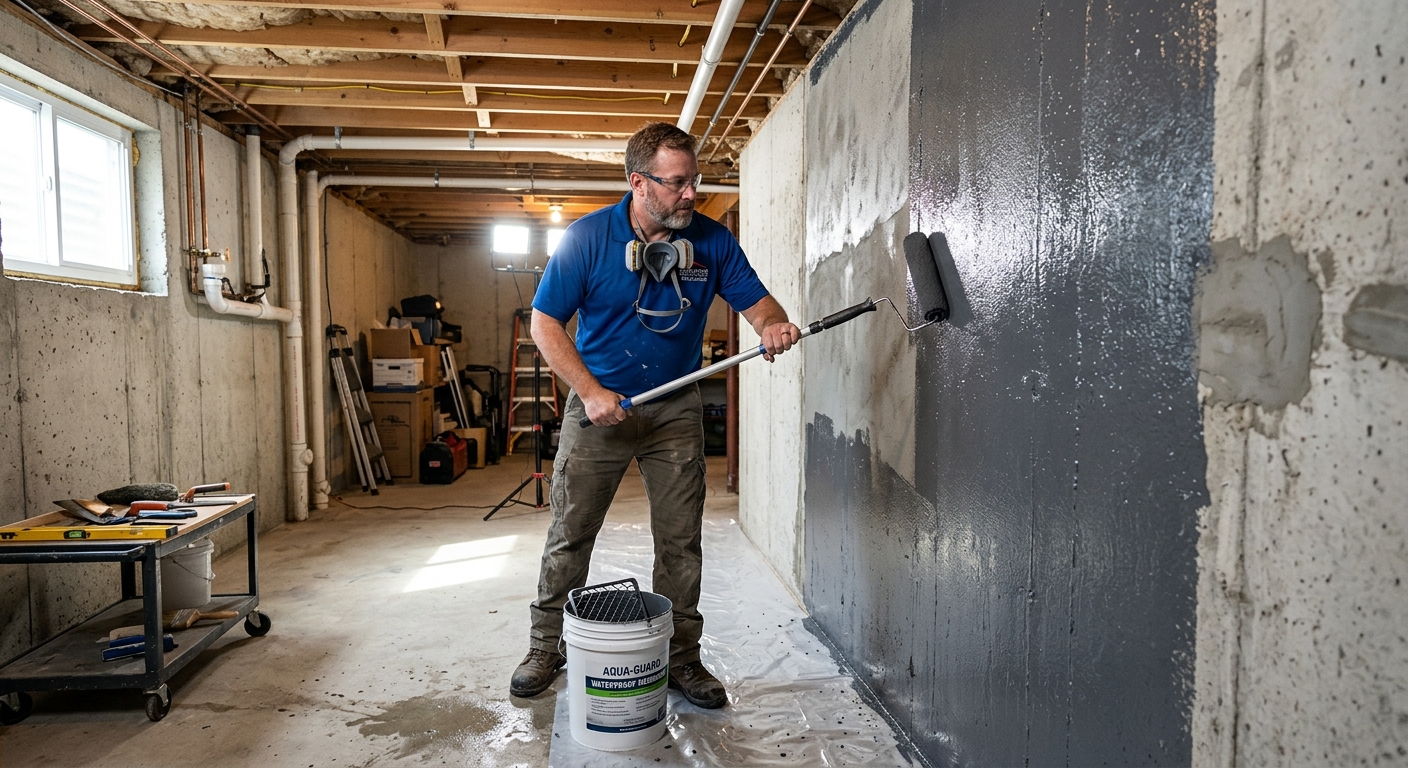
Choosing the right foundation repair contractor determines whether you get a permanent fix or just expensive Band-Aids that fail within years. St. Louis homeowners trust our team because we've spent over a decade specializing in the unique challenges that clay soil, historic construction, and our region's climate create for basement foundations. We're locally owned and operated, which means we stand behind our work long after installation—you'll see our trucks in your neighborhood for years to come. Our technicians hold industry certifications in structural repair and waterproofing, and every repair plan includes engineered specifications tailored to your home's foundation type and soil conditions. We've repaired basements in every St. Louis neighborhood from Webster Groves to Kirkwood to Florissant, building a reputation for honest assessments, quality workmanship, and pricing transparency that eliminates the anxiety from foundation repair decisions.
Local Expertise in Clay Soil and Historic Basements
St. Louis's expansive clay soil requires foundation repair approaches proven effective in our specific geological conditions. Our team understands how Meramec and Missouri River valley soils behave through wet springs and dry summers, how freeze-thaw cycles affect century-old brick foundations, and which repair methods provide the longest service life in our environment. We've restored foundations in Victorian homes with limestone rubble basements, 1920s bungalows with clay tile foundations, and modern poured concrete basements throughout the region. This local expertise means we immediately recognize whether your basement cracks stem from normal settling, soil pressure, or construction defects—saving you from unnecessary repairs. We know which neighborhoods sit on former floodplain soils prone to settlement, where groundwater tables create persistent moisture problems, and how to navigate St. Louis building codes for foundation work. When you hire a contractor who learned foundation repair in our exact soil conditions rather than applying generic national training, you get solutions that actually last.
- Serving St. Louis and surrounding areas with foundation repair expertise since [year]
- Specialized training in historic masonry foundation restoration for pre-1940 homes
- Engineering partnerships for complex repairs requiring structural calculations and permits
- Understanding of local soil reports and groundwater conditions by neighborhood
Transparent Pricing and No-Pressure Inspections
Foundation repair pricing anxiety keeps many homeowners from getting problems diagnosed until damage becomes severe. We eliminate that barrier with free inspections that provide detailed written estimates before you commit to anything. Our inspectors measure cracks, check for bowing, test moisture levels, and explain exactly what's causing your foundation problems—then present repair options with clear pricing for each approach. You'll receive a breakdown showing per-pier costs for underpinning, linear foot pricing for wall anchors, and complete project totals including materials, labor, and warranty coverage. We never use high-pressure sales tactics or artificial urgency—you get honest recommendations about whether your repairs are immediate emergencies or can be monitored for 6-12 months. Many competitors lowball initial quotes then upsell dramatically once work begins; our written estimates guarantee final pricing within 5% of the quote unless you request additional work. We also offer flexible financing options that let you protect your basement foundation now rather than deferring repairs until costs multiply.
- Free foundation inspections with same-day written estimates for St. Louis homeowners
- Itemized pricing showing exactly what each repair component costs
- Financing programs with approved credit for qualified homeowners
- No-pressure consultations—we educate you on your options and let you decide
- Price guarantees in writing eliminate surprise costs during repairs
Transferable Lifetime Warranties on Structural Repairs
Our transferable lifetime warranties on structural foundation repairs provide long-term value protection for your largest investment. Every helical pier, wall anchor system, and carbon fiber installation includes warranty coverage that guarantees the repair against failure for as long as you own your home—and transfers to future buyers if you sell. This warranty coverage addresses the number one homeowner concern: "How do I know this fix is permanent?" Unlike cosmetic crack sealing that typically fails within 2-3 years, our engineered structural repairs use materials and methods proven to last decades in St. Louis soil conditions. The warranty transfer feature becomes especially valuable during home sales, where foundation issues kill deals or force price reductions. Being able to show potential buyers that your foundation repair comes with a lifetime warranty from a local company still operating in St. Louis eliminates their fear and protects your home's value. We maintain detailed records of every job, making warranty claims simple if the impossible happens and a repair needs adjustment.
- Lifetime warranties cover structural repairs including underpinning, wall anchors, and carbon fiber
- Warranty transfers automatically to new homeowners at no additional cost
- Local company ownership ensures we're here to honor warranties for decades
- Detailed warranty documentation provided at job completion for your records
- Industry-leading warranty coverage exceeds typical 25-year limited warranties
Ready to work with St. Louis's most trusted basement foundation repair company? Call (314) 798-9554 to schedule your free inspection with a local foundation specialist.
Frequently Asked Questions
How much does basement foundation repair cost in St. Louis?
Basement foundation repair in St. Louis typically costs $4,500-$12,000 depending on severity and repair method. Helical pier underpinning averages $1,200-$1,800 per pier with most homes requiring 6-10 piers, while wall anchor systems cost $400-$600 per anchor. Carbon fiber reinforcement for minor bowing starts around $3,000 for a typical basement. Call (314) 798-9554 for a free inspection and exact quote for your specific foundation damage.
Does homeowners insurance cover foundation repair?
Most homeowners insurance policies do NOT cover foundation settlement, cracks, or water intrusion because insurers classify these as maintenance issues or gradual damage rather than sudden catastrophic events. Insurance may cover foundation damage directly caused by a covered peril like a burst pipe or tornado, but damage from soil movement, poor drainage, or aging is typically excluded. Always review your specific policy and consider preventive repairs to avoid much higher costs later.
Book your free foundation inspection
Tell us what you are seeing and where the home is. The inspection is free, there is no obligation, and you get a written estimate showing the repair method, the number of piers or anchors and the total before anything is scheduled.